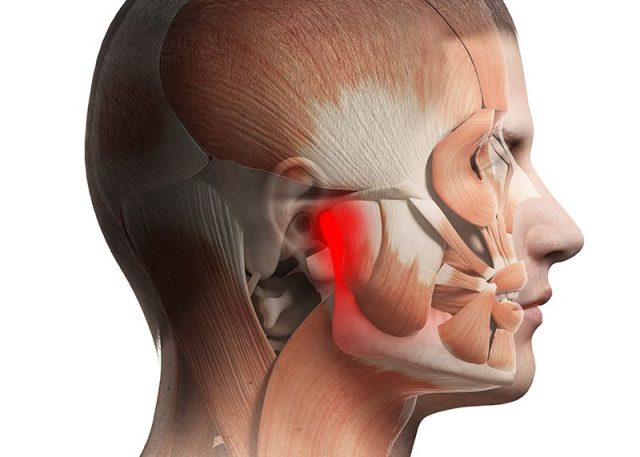
Temporomandibular joint disorders (TMD) rarely stems from a single cause, but rather develop from a combination of mechanical, structural, and behavioral factors.
Temporomandibular joint disorders (TMD) rarely stems from a single cause, but rather develop from a combination of mechanical, structural, and behavioral factors. Physical trauma to the jaw, arthritis, or direct damage to the fibrocartilaginous articular disk inside the joint are major structural triggers. Chronic behaviors like teeth grinding (bruxism) or frequent jaw clenching place continuous excessive strain on the surrounding muscles and ligaments, gradually irritating the joint over time.
Beyond physical strain, psychological factors like stress and anxiety play a significant role by leading to unconscious muscle tightening in the neck and jaw. Dental misalignment, poor posture that shifts the neck forward, and hormonal variations—which may explain why TMD is more frequently diagnosed in women—also contribute to the risk. Understanding these diverse triggers allows patients and specialists to create targeted treatment plans rather than relying solely on symptom relief.